
Winter in New South Wales often brings a noticeable rise in household energy consumption and subsequently, higher electricity bills. As temperatures drop, heaters work harder, electric blankets come out of storage, and older homes can struggle to retain warmth efficiently.
For many Sydney residents, winter energy costs are made worse by poor insulation, ageing switchboards, outdated lighting, and older electric appliances that have seen better days. The good news is that reducing your winter power bills doesn’t always mean sacrificing comfort.
At Electric Express, we help homeowners across Sydney improve energy efficiency through practical electrical upgrades, safer heating solutions, and smarter home improvements. From LED lighting upgrades and ceiling fan installation to switchboard upgrades and electrical safety inspections, there are many ways to keep your home warm without unnecessary electricity costs.
Key Takeaways
- Heating and cooling can account for up to 40% of household energy use
- Proper insulation is one of the most effective ways to reduce winter power bills
- Heating only occupied rooms can significantly lower electricity usage
- Ceiling fans with reverse mode can improve winter heating efficiency
- LED lighting upgrades and modern appliances help reduce ongoing energy costs
- Older switchboards should be checked before winter heating demand increases
- A licensed electrician can help identify electrical upgrades that improve safety and efficiency
Smart Ways to Heat Your Home More Efficiently
Heating and cooling represent one of the largest energy expenses in the average Australian home, often accounting for around 40% of household energy use.
Setting your heater too high is one of the quickest ways to increase your electricity bill.
In winter, the recommended indoor temperature is generally between 18 and 20 degrees Celsius. Every degree above this can noticeably increase your heating costs.
A programmable thermostat can help maintain a consistent temperature without unnecessary overuse. Smart thermostats and automated controls can also improve energy efficiency by adjusting temperatures based on time of day and room usage.
This helps reduce both energy waste and overall running costs. Alongside choosing the right heater, improving how your home retains and uses warmth can make an even bigger difference to your electricity costs.
Embrace Proper Insulation
The first step to keeping your home warm without excessive heating costs is stopping heat from escaping in the first place.
Insulation is one of the most cost-effective ways to improve winter comfort and reduce reliance on heaters. Without effective insulation, a large amount of heat generated inside your home can be lost through the roof, walls, windows, and floors.
Because heat rises, ceiling insulation is especially important. Many older Sydney homes have inadequate roof insulation, which means warm air escapes quickly and heating systems need to work much harder.
You should also check for draughts around doors, windows, and skirting boards. Sealing gaps around window frames and entry points helps retain warmth and prevents cold air from entering the home.
Wall insulation can also be retrofitted if your existing insulation is no longer performing well. During renovations, insulating water pipes and hot water systems can further improve energy efficiency by reducing standby heat loss.
Upgrading your windows with better seals or glazing can also improve thermal performance and reduce the need for constant heating throughout winter.
Rug Up – Your Floors and Yourself
Hard flooring can make your home feel significantly colder during winter, especially first thing in the morning.
Adding rugs or carpets to timber, tile, or concrete floors creates an extra layer of insulation, helping to trap warmth inside and reduce heat loss through the floor.
This simple change can improve comfort immediately without increasing your power usage.
The same principle applies to your own comfort. It sounds obvious, but adding an extra layer of clothing is often the cheapest and easiest way to stay warm.
Rather than heating the entire house, wearing warmer clothing, using blankets, and choosing insulated bedding can reduce the need to rely heavily on central heating or portable electric heaters.
If you are only using one room, heating the entire home usually results in unnecessary electricity costs.
Build Better Daily Habits
Small daily habits can make a noticeable difference to your winter electricity bill over time.
During the day, open curtains and blinds to let sunlight naturally warm your home. As soon as the sun sets, close them to help trap that warmth inside and reduce heat loss through windows.
Be strategic about how you use heaters. Portable electric heaters should be sized appropriately for the room and placed away from windows and draughty areas where heat can escape quickly.
Closing doors to unused rooms also helps keep warmth where you actually need it.
If you use electric blankets, avoid leaving them running all night. Preheating the bed and switching them off before sleep is usually far more cost-effective.
Even small habits like drying some laundry indoors or leaving the bathroom door open after a hot shower can slightly increase indoor warmth and humidity, making rooms feel more comfortable without extra heating.
Heat The Room You’re In, Not the Whole House
One of the biggest winter energy mistakes is trying to heat the entire house. In reality, heating only the rooms you are actively using is far more efficient.
If your home office is where you spend most of your day, focus your heating there rather than warming bedrooms, hallways, and living areas that are sitting empty.
This approach can significantly reduce electricity costs while still keeping your main living spaces comfortable.
Zoned heating solutions, dedicated circuits for heating appliances, and smart power control can all help improve efficiency even further.
Use Ceiling Fans in Reverse Mode
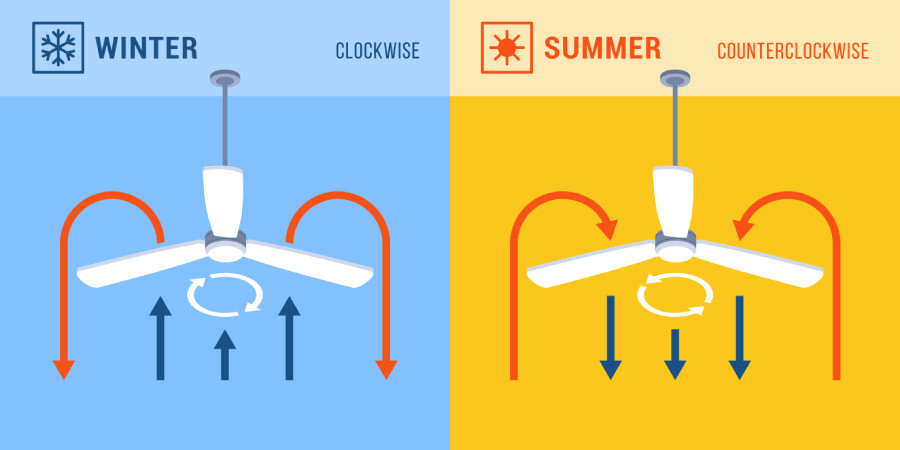
Many homeowners do not realise ceiling fans can help keep your home warm during winter too.
Most modern ceiling fans include a reverse setting that changes the direction of the blades. Instead of pushing cool air down, the fan gently circulates warm air trapped near the ceiling back into the living space.
This improves heating efficiency and helps reduce how often your heater needs to run.
For homes with high ceilings, this can make a particularly noticeable difference.
If your home does not currently have ceiling fans installed, or your existing fans are outdated, professional ceiling fan installation can improve comfort year-round while helping reduce long-term energy costs.
Check Your Switchboard Before Winter
Winter places extra demand on your electrical system.
Portable heaters, heated towel rails, electric blankets, dryers, and older appliances can all increase the load on your circuits.
If your home has an older switchboard, frequent tripping, flickering lights, or overloaded circuits may indicate it is time for an upgrade.
Older switchboards may not be designed to safely handle the electrical demands of modern homes, particularly during winter when heating appliances are used more heavily.
A professional switchboard inspection and upgrade helps identify safety risks, improves reliability, and ensures your home can safely support increased winter usage.
This is particularly common in older Sydney homes across the North Shore, Northern Beaches, and Inner West, where ageing switchboards and poor insulation can significantly increase winter power usage.
Comparing Heaters – Which Option Is the Most Energy Efficient?
Once your home is retaining heat properly, choosing the right heating system becomes far more important.
For most NSW homes, a modern reverse cycle air conditioner offers the best balance of comfort, energy efficiency, and long-term running costs.
Portable electric heaters are useful for short bursts of warmth, while electric blankets work well for personal comfort overnight. Ceiling fans can improve heating efficiency further, and gas heating may still suit some homes depending on the existing setup.
The best option depends on the size of your home, how often each room is used, and how well your home is insulated.
A Closer Look at Your Heating Options:
Reverse Cycle Air Conditioners
For most homes, reverse cycle air conditioners are one of the most energy-efficient heating options available.
Also referred to as split systems or heat pumps, they work by transferring heat from outside rather than generating it directly, which helps reduce electricity usage when heating larger spaces.
Modern systems offer strong energy ratings, programmable settings, and zoning options that help improve comfort while lowering running costs. They are particularly effective for living rooms, family areas, and home offices where heating is needed for longer periods.
Regular maintenance, including cleaning filters and checking airflow, also helps keep the system running efficiently.
Portable Electric Heaters
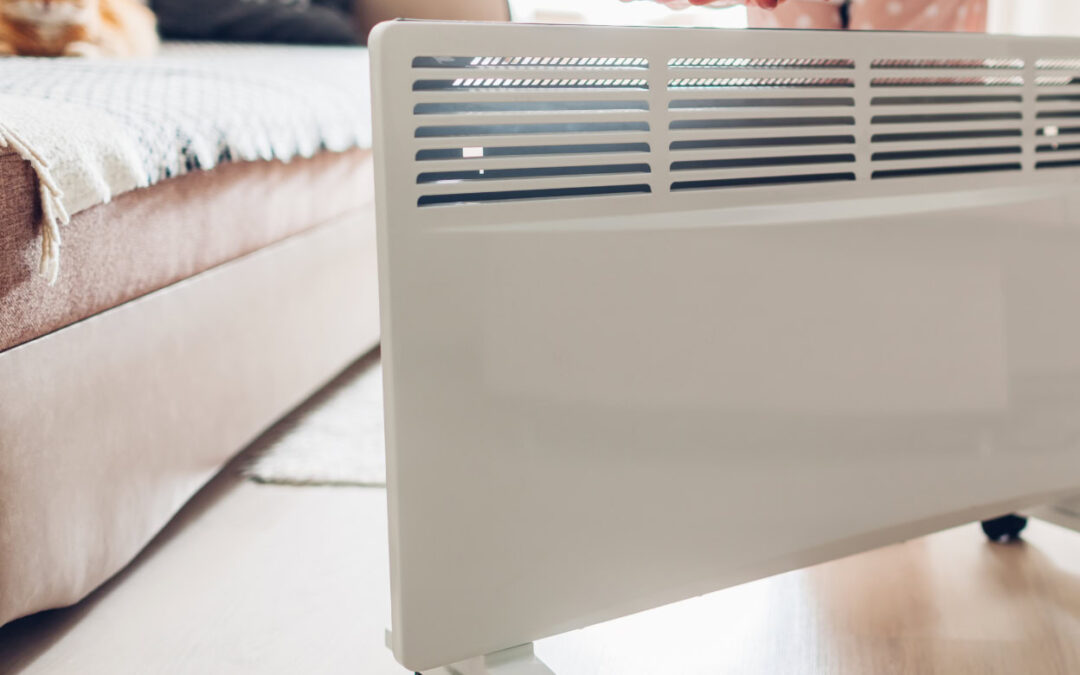
Portable electric heaters are convenient for quick, short-term heating in smaller rooms, but they are usually one of the more expensive options to run long-term.
Fan heaters, bar heaters, and older portable units can use a large amount of electricity quickly, especially when used for extended periods.
They are best suited for occasional use rather than whole-home heating.
Portable heaters should always be kept clear of curtains, bedding, and furniture, and should never be used with overloaded power boards or double adaptors.
Gas Heaters
Gas heaters can be effective for heating larger spaces and may offer lower running costs depending on your gas supply and local pricing.
However, they require proper ventilation, regular servicing, and careful safety checks. Older gas heaters may also be less efficient and can raise indoor air quality concerns if not maintained correctly.
Many homeowners are now moving toward reverse cycle systems instead of older gas heating setups.
Ducted Heating Systems
Ducted heating is a popular option for larger homes, providing consistent warmth across multiple rooms through vents installed throughout the house.
There are two main types: ducted reverse cycle air conditioning and gas ducted heating. Reverse cycle systems are generally the more energy-efficient choice, especially when combined with zoning controls that allow you to heat only the rooms being used.
Gas ducted heating can still suit some homes, particularly where natural gas is already connected, but running costs and long-term efficiency should be considered carefully.
If your existing ducted system is older or struggling to heat evenly, upgrading to a newer system can improve comfort while helping reduce winter energy costs.
Electric Blankets and Heated Throws
For personal warmth rather than room heating, electric blankets and heated throws are often very cost-effective.
They use far less electricity than heating an entire room and can be a smart option for overnight comfort during colder months.
Used correctly, they are often far cheaper than leaving a heater running all night.
Other Heating Options Worth Considering:
Underfloor Heating
Heated flooring, particularly in bathrooms and tiled living areas, can provide excellent comfort during winter by warming the room from the ground up.
While installation costs are usually higher, especially when retrofitting, underfloor heating can be very effective in specific areas where cold floors make a big difference to comfort. It is often best suited to renovations or new home builds where it can be planned properly from the start.
Bathroom Heat Lamps and Heated Lighting
Bathroom heat lamps and heated light fittings remain a popular choice in many Australian homes, especially during colder mornings.
They provide fast, targeted warmth and are useful for short periods, making them practical for bathrooms where full-room heating may not be necessary. Upgrading to modern, energy-efficient heat lamp systems can improve both comfort and safety.
Looking for lighting installation in Sydney? Get in touch with us to discuss your needs.
Traditional Fireplaces
There is still something hard to beat about the warmth of a traditional fireplace during winter.
Wood fireplaces can create strong radiant heat and add atmosphere to the home, although they are generally less effective than modern reverse cycle systems when it comes to whole-home heating. Open fireplaces in particular can also allow significant heat loss when not in use.
Gas fireplaces offer a cleaner and more controlled alternative while still providing that classic winter feel.
For many homeowners, fireplaces are best viewed as a comfort feature rather than the primary heating solution.
Make Your Home More Energy-Efficient
Reducing winter energy bills is not only about heating. It is also about improving the overall energy efficiency of your home.
One of the simplest upgrades is replacing older halogen or incandescent lighting with LED lighting. LED lights use significantly less electricity and last much longer. Find out how much you could be saving using our handy LED calculator.
Installing timers, motion sensors, and smart lighting controls can further reduce unnecessary power usage.
Upgrading damaged or outdated power points and switches can also improve safety and functionality, particularly in older homes where electrical systems may not suit modern appliances.
During renovations, adding dedicated circuits for heating appliances, upgrading wiring, and installing smart home automation can all contribute to better efficiency and lower running costs.
A home electrical inspection can help identify areas where your current setup may be costing more than it should.
Consider Long-Term Energy Upgrades
Reducing winter energy bills is not only about how you heat your home today. It is also about planning for better long-term energy efficiency.
Introducing renewable energy options such as solar PV systems can help reduce your reliance on grid electricity and lower ongoing power costs, particularly when paired with energy-efficient heating systems like reverse cycle air conditioning.
For homeowners planning renovations or new builds, passive design principles such as improved orientation, natural ventilation, thermal mass, and better insulation can also make a significant difference to year-round comfort and energy use.
These long-term upgrades not only help reduce your carbon footprint, but can also improve property value and create a more comfortable, energy-efficient home for years to come.
Frequently Asked Questions
Homeowners often ask us which heating upgrades deliver the best savings and whether older electrical systems can handle winter heating demands. Here are some of the most common questions we receive.
Does using a ceiling fan in winter save electricity?
Yes. Ceiling fans with reverse mode help circulate warm air more effectively, reducing the need for constant heating. This can improve comfort while lowering overall energy use.
Should I upgrade my switchboard before using electric heaters?
If your home is older, your circuits trip regularly, or you notice flickering lights when heaters are running, a switchboard inspection is strongly recommended. Older switchboards may struggle with modern winter electrical demand.
Are LED lights worth upgrading for energy savings?
Yes. LED lighting uses significantly less electricity than older halogen or incandescent lighting and lasts much longer, making it one of the easiest ways to reduce household power costs.
What temperature should I set my heater to in winter?
Most homes should aim for 18 to 20 degrees Celsius. Every degree above this can noticeably increase your heating bill, so keeping temperatures moderate helps reduce unnecessary costs.
Stay Warm Without Overspending This Winter
If your winter electricity bills are climbing, small changes can make a big difference.
Improving insulation, using heating more efficiently, upgrading lighting, and checking your switchboard can all help reduce costs while making your home safer and more comfortable.
At Electric Express, we help homeowners across Sydney’s Northern Beaches, Inner West and North Shore identify practical electrical upgrades that improve energy efficiency all year round.
From LED lighting upgrades and ceiling fan installation to switchboard upgrades, power point installations, and electrical safety inspections, our licensed Sydney electricians help you stay warm without unnecessary energy costs.
If you would like expert advice on improving your home’s winter energy efficiency, contact Electric Express today.