
Many homeowners don’t think much about their electrical supply until they’re planning a renovation, installing an electric vehicle charger, adding solar battery storage, or experiencing electrical issues around the home. That’s often when terms like single-phase power and three-phase power start appearing in conversations with electricians.
If you’ve been told your property may benefit from a three-phase power supply, you may be wondering whether it’s really necessary or simply an optional upgrade.
The reality is that both single-phase and three-phase power have their place. For many homes, a standard single-phase connection is perfectly adequate. For others, particularly those with higher energy demands or future expansion plans, a three-phase power upgrade can offer significant advantages.
In this guide, we’ll explain the key differences between single-phase and three-phase power, how each system works, and how to determine which option is best suited to your property.
What Does “Phase” Actually Mean?
Before comparing the two systems, it helps to understand what the term phase actually refers to.
Electricity is delivered to homes and businesses through the electricity network. The term phase describes the way electrical power is supplied from the network to a property.
In a single-phase system, electricity is supplied through one active conductor and one neutral conductor.
In a three-phase system, electricity is supplied through three active conductors and one neutral conductor. Each active conductor delivers power at a slightly different point in the electrical cycle, creating a more balanced and consistent supply.
You don’t need to understand the technical details to appreciate the practical difference. In simple terms, three-phase power allows electrical demand to be spread more evenly across the system, providing greater capacity and flexibility.
Why Most Australian Homes Have Single Phase Power
Single-phase power has been the standard electrical supply for residential properties across Australia for decades.
Historically, household electrical demands were relatively modest. Most homes operated with basic lighting, a handful of appliances, and limited electrical equipment. Single-phase power provided more than enough capacity for these needs while keeping electrical infrastructure simple and cost-effective.
Even today, the majority of homes throughout Sydney operate comfortably on a single-phase supply.
It’s important to understand that single-phase power isn’t outdated or inferior. For many households, it remains the most practical and appropriate electrical supply option.
Single Phase Power: Strengths and Limitations
Where Single Phase Power Works Well
Single-phase power is well suited to:
- Apartments and units
- Townhouses
- Small to medium-sized homes
- Households with moderate energy usage
- Properties without significant electrical loads
For many families, single-phase power can comfortably support everyday electrical needs, including lighting, kitchen appliances, entertainment systems, and standard heating or cooling equipment.
The Limitations of Single Phase Power
As electrical demands increase, some properties may begin to approach the practical limits of a single-phase supply.
This doesn’t necessarily mean the system is faulty. It simply means the property’s electrical requirements may have evolved beyond what the original supply was designed to handle.
Potential limitations can include:
- Reduced capacity for future electrical additions
- Increased strain when multiple high-demand appliances operate simultaneously
- Greater likelihood of voltage fluctuations under heavy power loads
- Less flexibility for future electrification projects
Many homeowners never encounter these limitations, while others begin to notice them as their energy usage changes over time.
Three Phase Power: Strengths and Limitations
Three-phase power was traditionally associated with commercial buildings, industrial facilities, and large machinery. However, it is becoming increasingly common in modern residential properties.
What Three Phase Power Does Better
The primary advantage of three-phase power is its ability to distribute electrical demand more evenly.
This provides several benefits:
- Greater overall electrical capacity
- Improved load balancing
- More efficient power delivery
- Better support for high-demand electrical equipment
- Increased flexibility for future electrical upgrades
Rather than concentrating demand on a single active conductor, three-phase systems spread the load across three separate phases, reducing stress on the overall system.
Common Misconceptions About Three Phase Power
There are several myths surrounding three-phase power.
Myth: Three Phase Power Uses Less Electricity
Not necessarily.
Your electricity consumption depends on how much energy you use, not the type of supply connected to your property.
Myth: Every EV Owner Needs Three Phase Power
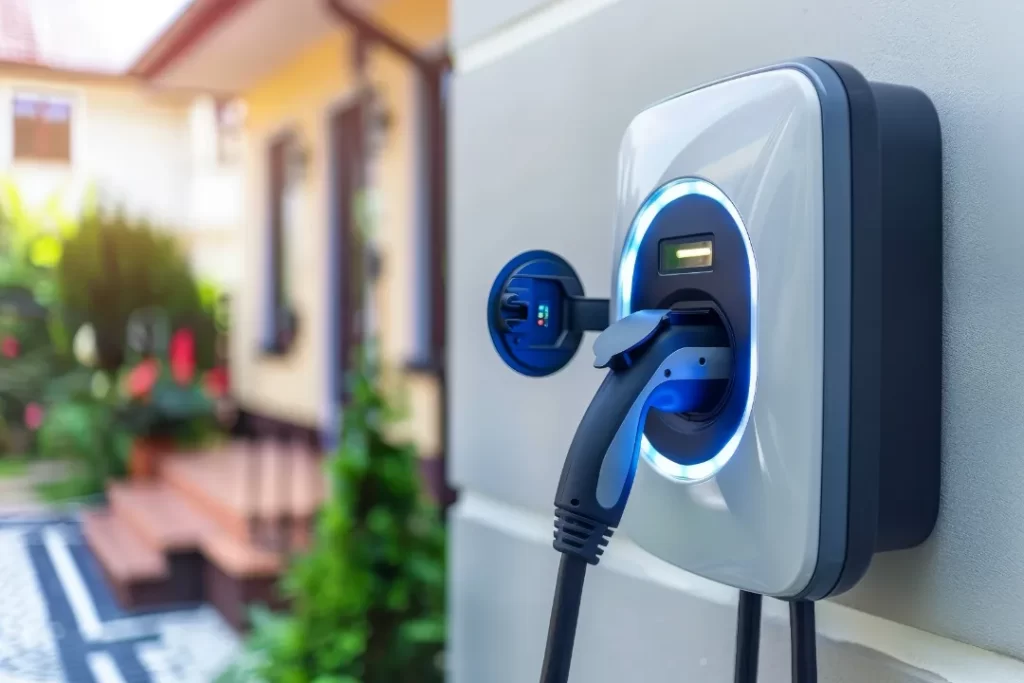
Many EV chargers operate perfectly well on single-phase power.
While three-phase power can offer faster charging capabilities in some situations, it is not automatically required for EV ownership.
Myth: Three Phase Power Will Reduce Your Electricity Bills
Upgrading to three-phase power does not directly lower electricity costs.
The upgrade provides additional capacity and flexibility, but your energy bills will still depend on how much electricity your household consumes.
Real-World Examples: Which Power Supply Would You Choose?
One of the easiest ways to understand the difference between single-phase and three-phase power is to look at real-world scenarios. While every property is different, these examples can help illustrate when a standard single-phase supply may be sufficient and when a three-phase connection may offer advantages.
Scenario 1: Standard Family Home
A typical family home with standard appliances, lighting, televisions, kitchen equipment, and moderate air conditioning usage will often operate perfectly well on single-phase power.
For many households, single-phase power comfortably supports everyday activities without any noticeable limitations. If you’re not experiencing electrical issues and have no plans to significantly increase your energy usage, there may be little practical benefit in upgrading.
This is particularly true for smaller homes, townhouses, and properties where electrical demand remains relatively consistent throughout the day.
Scenario 2: A New Home With Future Expansion Plans
Building a new home provides an opportunity to think beyond your current electrical needs and consider how they may change in the future.
Many homeowners are now planning for additional electrical demands such as electric vehicle charging, solar battery systems, home offices, swimming pools, outdoor entertainment areas, and smart home technologies. While these features may not be installed immediately, they can influence the suitability of your electrical supply over the long term.
In some cases, installing three-phase power during construction can be more straightforward and cost-effective than upgrading the supply years later after the home is complete.
Scenario 3: Home With Solar Battery Storage and Pool Equipment
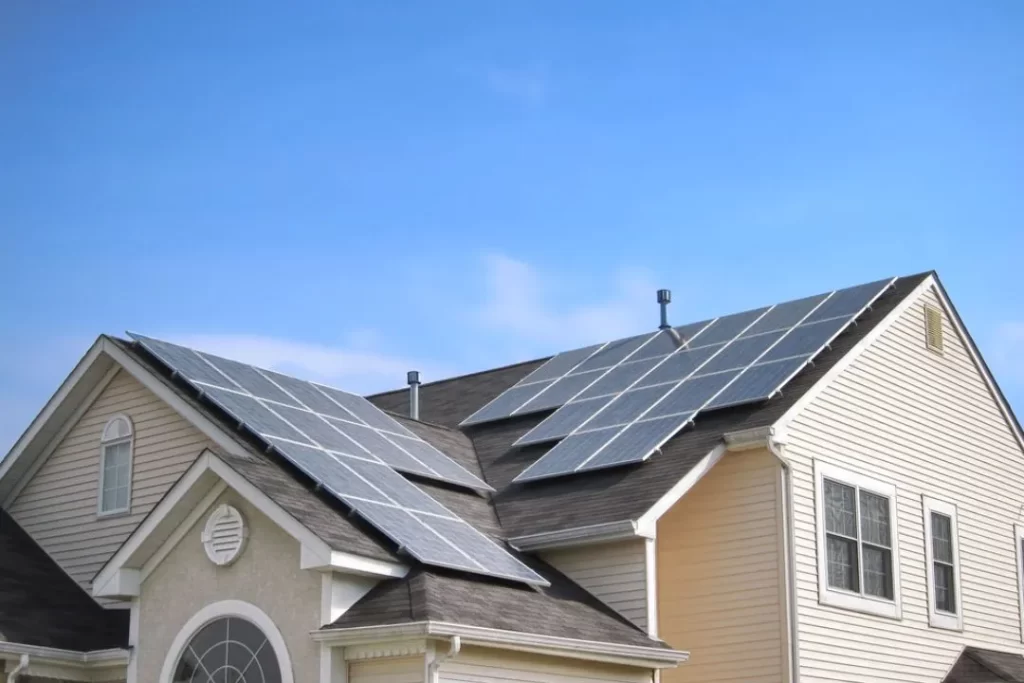
Modern homes often contain multiple electrical systems operating at the same time. A solar system with battery storage, pool pumps, heating systems, filtration equipment, and other large appliances can place considerable demand on a property’s electrical infrastructure.
While many of these systems can operate on single-phase power, properties with multiple high-demand systems may benefit from the improved load distribution offered by three-phase power.
Rather than concentrating demand on a single supply line, electrical loads can be spread more evenly across the system, helping maintain performance and reducing stress on individual circuits.
Scenario 4: Home Workshop
For homeowners who regularly use workshop equipment, electrical demand can increase significantly.
Tools such as welders, compressors, metalworking equipment, woodworking machinery, and specialised workshop equipment often require substantial power, particularly when multiple machines are operating at the same time.
Depending on the type of equipment being used, a three-phase supply may provide improved performance, greater reliability, and access to machinery that may not be practical on a standard single-phase connection.
Scenario 5: Household With Multiple Electric Vehicles
As electric car ownership continues to grow, some households are finding that charging requirements are becoming a larger part of their overall electricity usage.
A household with two electric vehicles, particularly where both vehicles are charged regularly, may place greater demand on the home’s electrical system than a household with a single EV. When combined with other major electrical loads, this can influence the suitability of the existing power supply.
While many EV owners continue to use single-phase power successfully, some households choose three-phase power to provide additional charging capacity and greater flexibility as their transportation needs evolve.
Single Phase vs Three Phase Power: Side-by-Side Comparison
| Feature | Single Phase Power | Three Phase Power |
|---|---|---|
| Typical Property Type | Standard homes, units, townhouses | Larger homes, commercial properties |
| Electrical Capacity | Lower | Higher |
| Load Distribution | Single active conductor | Balanced across three phases |
| Ability to Handle Heavy Loads | Moderate | High |
| Future Expansion Potential | More limited | Greater flexibility |
| EV Charging Capability | Suitable for most households | Greater charging capacity available |
| Installation Complexity | Simpler | More complex |
| Upfront Costs | Lower | Higher |
While three-phase power offers greater capacity, it isn’t automatically the best option for every property. The right choice depends on your current and future electrical requirements.
How to Tell Which Power Supply You Have
Many homeowners are unsure whether their property is connected to single-phase or three-phase power. In fact, it’s one of the most common questions electricians receive when discussing EV charger installations, renovations, solar battery systems, or electrical upgrades.
Fortunately, there are several ways to identify the type of electrical supply connected to your property.
Check Your Meter
Your electricity meter can often provide useful clues about the type of supply you have.
Many modern digital meters display information relating to the property’s electrical configuration, and some may specifically indicate whether the connection is single-phase or three-phase. Older meters can also provide hints based on the number of conductors entering the meter panel.
However, interpreting meter information isn’t always straightforward, particularly if the metering equipment has been upgraded over time.
Inspect Your Switchboard
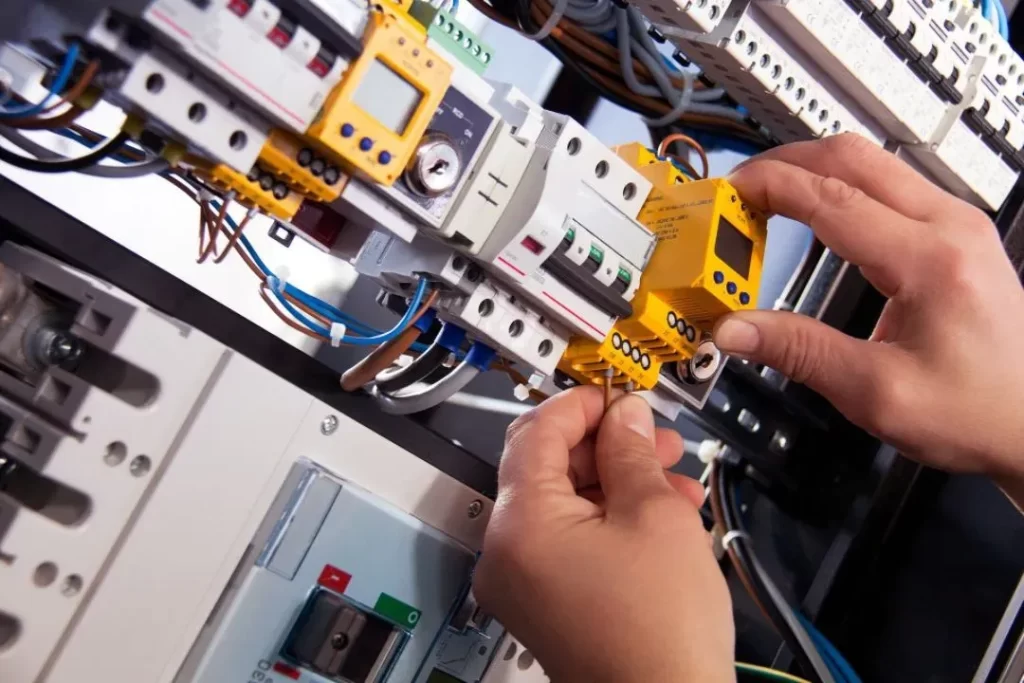
Your switchboard can often reveal whether your property has a single-phase or three-phase connection.
A single-phase property will typically have one main switch controlling the incoming supply. A three-phase property generally has a larger main switch arrangement designed to manage all three incoming phases.
The layout of the switchboard, the labelling of circuits, and the type of protective devices installed can also provide useful indicators.
Review Property Documentation
If you have access to electrical drawings, construction documents, or previous electrical reports, these documents may identify the type of supply connected to the property.
For newer homes, this information may also be included in documentation provided during construction or settlement.
Look for Clues Around the Property
Certain features can sometimes suggest the presence of a three-phase supply.
For example, larger commercial-style air conditioning systems, substantial workshop equipment, or specialised machinery are often connected to properties with three-phase power. However, this is not always the case and should not be relied upon as a definitive indicator.
Ask a Qualified Electrician
The easiest and most reliable way to determine your electrical supply is to have a qualified Sydney electrician like Electric Express inspect your system.
An electrician can quickly identify whether your property has a single-phase or three-phase connection and explain what that means for your current and future electrical requirements.

Is Three Phase Power Becoming More Common?
In many areas, the answer is yes.
While single-phase power remains the standard electrical supply for most residential properties, the way Australian households use electricity has changed significantly over the past decade.
Modern homes now contain far more electrical equipment than they did in previous generations. Multiple televisions, computers, entertainment systems, electric cooking appliances, air conditioning units, pool equipment, and home offices all contribute to increased electricity usage.
At the same time, many households are actively transitioning away from gas-powered appliances and towards all-electric living. This shift is placing greater demand on residential electrical systems and encouraging homeowners to think more carefully about their long-term power requirements.
The Impact of Electric Vehicles
Electric vehicles are one of the biggest drivers of increased residential electricity demand.
As EV ownership continues to grow, many homeowners are evaluating whether their existing electrical supply is capable of supporting regular vehicle charging alongside normal household consumption.
While single-phase power remains suitable for many EV owners, the growing popularity of electric vehicles has increased awareness of three-phase power and its potential benefits.
The Growth of Home Electrification
Many new homes are being designed around an all-electric lifestyle.
Electric hot water systems, induction cooktops, electric heating, battery storage systems, and smart home technologies can all contribute to higher overall electricity demand. As a result, some builders and homeowners are choosing three-phase power to provide additional flexibility and future capacity.
Larger Homes and Higher Expectations
Modern homes are often significantly larger and more complex than those built decades ago.
Features such as home theatres, outdoor entertainment areas, swimming pools, extensive air conditioning systems, and dedicated home workspaces can all increase electrical requirements. Three-phase power is increasingly being considered during the design stage to accommodate these evolving expectations.
Not Every Home Needs Three Phase Power
Despite these trends, it’s important to remember that three-phase power is not automatically necessary for every property.
Many homes continue to operate efficiently on single-phase power, and upgrading solely because three-phase power is available may not provide any meaningful benefit.
The decision should always be based on the specific electrical demands of the property, rather than the assumption that three-phase power is inherently better.
As household energy consumption continues to evolve, however, there is little doubt that three-phase power is becoming more common in both new residential construction and major renovation projects throughout Sydney and across Australia.
Questions to Ask Before Considering an Upgrade
Before deciding whether three-phase power is necessary, it’s worth asking a few practical questions.
Is My Current Electrical System Performing Well?
If your existing system comfortably supports your household’s needs, there may be little reason to upgrade.
Am I Planning Major Electrical Additions?
Future projects may significantly increase your electrical demand.
Am I Experiencing Electrical Issues?
Frequent circuit breaker trips, overloaded circuits, or other supply-related issues may indicate that your electrical requirements have changed.
Am I Future-Proofing My Property?
Some homeowners choose to upgrade before it’s absolutely necessary in order to accommodate future plans and avoid additional electrical work later.
When It Makes Sense to Speak With a Level 2 Electrician
If you’re planning significant electrical upgrades or considering changes to your property’s power supply, it can be worthwhile speaking with an accredited Level 2 electrician in Sydney.
A Level 2 electrician can assess your current electrical infrastructure, review your future requirements, and determine whether your existing supply is suitable or if a power upgrade may be beneficial.
Because every property is different, professional advice is often the best way to avoid unnecessary upgrades while ensuring your electrical system can safely support your needs.
Frequently Asked Questions
Is three-phase power always better than single-phase power?
Not necessarily. Three-phase power offers greater capacity and flexibility, but many homes operate perfectly well on single-phase power. The best option depends on your electrical requirements.
Can I charge an electric vehicle using single-phase power?
Yes. Many EV chargers are designed to operate on single-phase power and meet the needs of most homeowners.
Does three-phase power use more electricity?
No. Electricity consumption depends on how much power you use, not whether your property has a single-phase or three-phase connection.
Will three-phase power lower my electricity bills?
Generally, no. A three-phase connection increases available capacity but does not reduce the amount of electricity consumed.
Why don’t all homes have three-phase power?
Many homes simply don’t require the additional capacity. Single-phase power remains suitable for a large proportion of residential properties.
Can I install solar panels on a single-phase property?
Yes. Many solar systems operate very effectively on single-phase power.
How can I tell if I’m reaching the limits of single-phase power?
Frequent circuit breaker trips, voltage fluctuations, or plans for significant electrical additions may indicate that your existing supply should be assessed.
Can older homes be upgraded to three-phase power?
In many cases, yes. However, the feasibility and scope of work will depend on the property’s existing electrical infrastructure and network requirements.
Which Power Supply Is Right for You?
Despite the common perception that three-phase power is automatically superior, the reality is that both systems serve different purposes.
For many households, single-phase power remains a reliable and cost-effective solution that comfortably supports everyday electrical needs. For others, particularly those with growing energy demands or future expansion plans, three-phase power can provide additional capacity, flexibility, and long-term benefits.
The key is understanding your property’s current requirements and where your electrical needs are heading in the future.
If you’re unsure which option is right for your home, seeking advice from an experienced electrician can help you make an informed decision based on your specific circumstances.